LIGANDROL (LGD 4033)
SARMS HISTORY OF LIGANDROL LGD 4033
BACKGROUND
Concerns regarding possible adverse effects of testosterone on the prostate have motivated the development of selective androgen receptor modulators that exhibit tissue-selective activation of androgenic signaling. LGD4033, a novel nonsteroidal, oral selective androgen receptor modulator, binds androgen receptor with high affinity and selectivity.
GOALS
To evaluate the safety, tolerability, pharmacokinetics, and effects of ascending dosage of LGD4033 administered daily for 21 days on lean body mass, muscle strength, stair climbing strength, and sex hormones.

METHODS
In this placebo-controlled study, 76 healthy men (21-50 years) were randomized to placebo or 0.1, 0.3, or 1.0 mg LGD4033 daily for 21 days. Blood count, chemistry, lipids, prostate-specific antigen, electrocardiogram, hormones, lean mass and fat mass, and muscle strength were measured during and for 5 weeks after the procedure.
RESULTS
LGD4033 was well tolerated. There were no drug-related serious adverse events. The frequency of adverse events was similar between active and placebo groups. Hemoglobin, prostate-specific antigen, aspartate aminotransferase, alanine aminotransferase or QT intervals did not change significantly at any dose. LGD4033 had a long elimination half-life and dose-proportional accumulation upon multiple dosing.
Administration of LGD4033 was associated with dose-dependent suppression of total testosterone, sex hormone binding globulin, high-density lipoprotein cholesterol and triglyceride levels. Follicle stimulating hormone and free testosterone showed significant suppression only at a dosage of 1.0 mg. Lean body mass increased dosage dependently, but fat mass did not change significantly. Hormone levels and lipids returned to baseline after discontinuation of treatment.

CONCLUSIONS
LGD4033 was safe, had a favorable pharmacokinetic profile, and increased lean body mass even during this short period without changes in prostate-specific antigen. Longer randomized trials should evaluate effectiveness in improving physical function and health outcomes in selected populations.
Keywords : Selective androgen receptor modulators, SARMs, sarcopenia, functional anabolic therapies, cachexia
As men and women age, they lose muscle mass, muscle strength, and leg strength, primarily due to the preferential loss of Type II muscle fibers. Sarcopenia, the age-related loss of muscle mass and strength, increases the risk of falls, fractures, physical disability and poor quality of life. Similarly, the course of many diseases, such as chronic obstructive pulmonary disease, end-stage renal disease and some types of cancer, is characterized by loss of muscle mass and physical function, contributing to limited mobility and disability.
There is therefore an unmet need for anabolic therapies that improve physical function and reduce the burden of disability in individuals who suffer from functional limitations due to aging or disease. Among the various candidates for function-promoting anabolic therapies currently in development, androgens are the most advanced.
The administration of testosterone increases muscle mass and strength, but concerns about the possible negative effects on the prostate have curbed enthusiasm for its use as anabolic therapy and stimulated the development of selective androgen receptor modulators (SARMs), a new class of androgen receptor ligands that are tissue selective. Over the past decade, significant pharmaceutical efforts have been made to develop nonsteroidal SARMs to treat muscle wasting and functional impairment associated with acute and chronic diseases and aging.

LGD4033 is a novel nonsteroidal oral SARM that binds to the androgen receptor with high affinity (Ki of ~1 nM) and selectivity. In animal models, LGD4033 has demonstrated anabolic activity in muscle, antiresorptive and anabolic activity in bone, and robust selectivity for muscle over prostate.
Here we report the results of a randomized, placebo-controlled, double-blind, ascending dose study evaluating the safety, tolerability, and pharmacokinetics (PK) of LGD4033 in healthy men. We also examined the effects of graded doses of LGD4033 on muscle mass (LBM), muscle strength, and physical function. LGD4033 doses of 0.1, 0.3 and 1.0 mg were selected for multiple dosing over 21 days because a previous phase I single ascending dose study demonstrated safety of up to 22 mg of LGD4033.
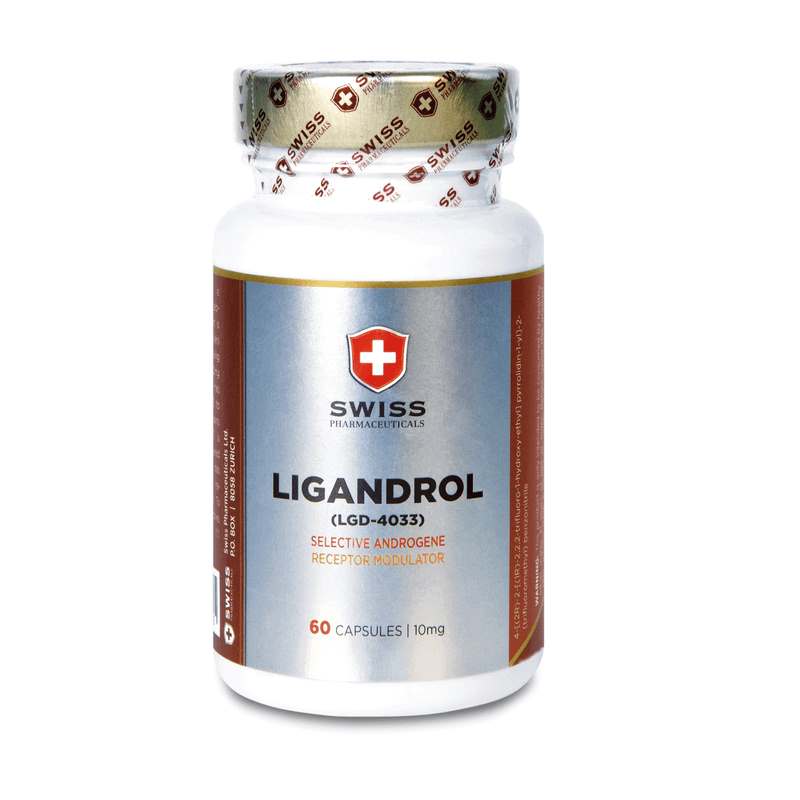
LIGANDROL (LGD 4033)
We also tested the hypothesis that LGD4033 increases muscle mass by stimulating the fractional synthesis rate (FSR) of mixed muscle proteins, measured using a continuous steady-state infusion of labeled phenylalanine in men randomized to either placebo or a daily dosage of 0.3 mg LGD 4033. This dosage was selected for the FSR study because preclinical data suggested that this dosage LBM most likely increased.
STUDY DESIGN
This was a double-blind, placebo-controlled, escalation study of once daily multiple dosing of LGD4033 in healthy men approved by the Boston University Institutional Review Board. All subjects gave written informed consent.
TOPICS
Eligible to participate were non-smoking, healthy men aged 21 to 50 years with a body mass index between 18 and 32 kg / m2 who were able to give informed consent. We excluded subjects with active disease, prostate-specific antigen > 3 ng/mL, an aspartate aminotransferase, or an ALT> 1.5 times the upper limit of normal, a hematocrit <37% or > 48%, creatinine > 2.0 mg / dl and (HDL) cholesterol
STUDY INTERVENTION
Three doses 0.1, 0.3 and 1.0 mg were evaluated against placebo. Each dose of LGD4033 or placebo was administered orally daily with 8 ounces of water following an overnight fast. A total of 20 doses were administered over 21 days; No dosing was administered on the second day to allow PK sampling for 48 hours after the first dosing. The 21-day treatment period was followed by a 5-week observation period.
RANDOMIZATION
Subjects were randomized to active or placebo groups based on a protocol-defined randomization scheme: six active and two placebo in a 0.1 mg cohort; 10-12 active and 10-12 placebo in 0.3mg and 1.0mg cohorts. A protocol change following completion of the 1.0 mg cohort added 12 active and six placebo subjects to the 0.1 mg cohort. The randomization lists prepared by the biostatist were sent directly to the Investigational Drug Service.
Subjects initially received either placebo or 0.1 mg LGD4033 daily. After completion of each dosage level, safety data were reviewed by a safety panel and separately by a Data and Safety Monitoring Board, which determined whether the dosage could be increased to a higher level based on predetermined safety criteria. The dosage increase was continued only if an acceptable safety profile with no clinically significant and/or unexpected toxicity was observed at the lower dosage.
GLARE
The study was a double-blind study with hidden randomization. The subjects and the study staff knew nothing about the intervention. Only the biostatistician and the Investigational Drug Service knew about the subject’s group assignment. The Investigational Drug Service maintained the randomization code and distributed study drug based on the randomization list.
RESULTS
The primary objective was to evaluate the safety and tolerability of escalating doses of LGD4033 following repeated once-daily oral administration for 21 days. Secondary objectives included determining the PK and pharmacodynamics of LGD4033 and their effects on FSR in mixed muscles.
In addition, we examined the effects of 21 days of treatment with LGD4033 on LBM as measured by DualEnergy
LIST OF EVENTS
LGD4033 concentrations were measured using a validated liquid chromatography tandem mass spectrometry method in venous blood collected at 0, 0.5, 1, 2, 3, 4, 6, 8, 10, 12, 24, 28, 32, and 48 hours after the first dosing. Once daily dosing was resumed on day 3 for 20 days, and on day 21 venous blood was collected at 0, 0.5, 1, 2, 3, 4, 6, 8, 10, 12, 24, 28, 32, 48. 72, 96, 120 and 168 hours after the 21st day of dosing.
Luteinizing hormone, follicle-stimulating hormone, adrenocorticotropic hormone, cortisol, total and free testosterone, sex hormone binding globulin and plasma lipids were measured periodically during the 21-day intervention period and 7 and 35 days after drug discontinuation. LBM and fat mass were measured at baseline and on days 20 and 28. Leg press strength and stair climbing strength and speed were measured at baseline and between days 23 and 25.
METHODS
Body composition was assessed using a DualEnergy X-ray absorptiometry scanner (Hologic 4500), which was calibrated using a soft tissue phantom before each scan. To measure leg press strength, subjects performed a full body warm-up followed by a set of 5-10 repetitions at 40%-60% of the estimated maximum.
After adequate rest periods between trials, subjects lifted progressively heavier weights until the subject could no longer finish lifting. The last successfully completed lift was recorded as the one-rep maximum.
The 12-Step Stair Climbing Test requires subjects to climb a staircase with a 17 cm incline as quickly as possible using the time recorded by activating the safety mats on the 8th and 12th stairs. The test-retest reliability is 0.85 and the coefficient of variation is 2%. After getting to know each other, two attempts were made with the best time as the stair climbing score. Power was calculated from elapsed time, body weight and vertical distance.
FRACTIONAL PROTEIN SYNTHESERATS
On days 1 and 20, at 7 a.m., an 18-gauge catheter was inserted into the forearm vein of each arm, one for blood sampling and one for tracer infusion. Baseline blood samples were collected for analysis of amino acid enrichments from an arm warmed with a heating pad. At 8:00 a.m., a prepared (2.0 μmol/kg) constant infusion (0.06 μmol/kg/min) of 1[Ring13C6]phenylalanine was started and maintained for 6 hours.
Venous blood was obtained at 0, 60, 120, 150, 165, 180, 195, 210, 240, 300, 330, 345, and 360 minutes during infusion. Two muscle biopsies (100–300 mg) were taken at 180 and 360 minutes from vastus lateralis with a 5mm Bergstrom biopsy needle at 10 to 15 cm above the knee and frozen in liquid nitrogen to be stored in an 80 °C freezer until analysis.
Phenylalanine enrichments in arterialized venous blood were after determined deproteinization with sulfosalicylic acid, extraction with cation exchange chromatography (Dowex AG 50W8X, 100-200 mesh H + Form; BioRad Laboratories, Richmond, CA), derivatization using tertButyldimethylsilyl, and subsequent gas chromatography-mass spectrometry in electron impact mode (GC HP 5890, MSD HP 5989, Hewlett Packard, Palo Alto, CA.
Muscle samples were weighed and the proteins were precipitated with 800 µl of 10% sulfosalicylic acid. Intracellular phenylalanine enrichment was determined by extraction with cation exchange chromatography (Dowex AG 50W8X, 200–400 mesh H + Form; BioRad Laboratories, Inc.), tertButyldimethylsilyl derivatization, and gas chromatography-mass spectrometry in electron impact mode. The remaining pellet containing bound mixed muscle proteins was washed repeatedly, dried overnight at 50 °C, and hydrolyzed in 3 mL of 6 N HCl at 110 °C for 24 h. Amino acids in the hydrolyzate were extracted and derivatized and analyzed by monitoring ions 238 and 240.
The mixed muscle FSR was calculated by measuring the incorporation of 1[Ring13C6]phenylalanine into protein using the precursor product model:
HORMONAL ASSAY
Total testosterone was measured using liquid chromatography tandem mass spectrometry and free testosterone was calculated using a published mass action equation. Serum luteinizing hormone, follicle-stimulating hormone, and sex hormone binding globulin were measured using two site-directed immunofluorometric assays.
STATISTICAL ANALYSIS
Safety parameters were listed and summarized by study intervention, dosage and timing. Adverse events were listed by system organ class and preferred term based on the MedDRA dictionary version 12.
The drug concentration and time data in plasma were analyzed using non-compartmental methods. PK parameters were summarized by dosage group and selected PK parameters were analyzed using comparative statistics. The dosage proportionality of the PK parameters was assessed by linear regression.
Pharmacodynamic assessments were summarized for each dose and time point. Changes from baseline in hormone levels, lipids and FSR were analyzed using repeated measures analysis of variance with a dosage factor and a treatment duration factor and a baseline value as a covariate. A similar approach was used to analyze change from baseline in LBM, maximum repetition strength, and climbing strength.
For DualEnergy X-ray absorptiometry, muscle strength, and stair climbing performance, trend analysis of change from baseline was applied using mixed model analysis of repeated measures and adjusting the baseline value. Two postbaseline measurements up to day 28 were used in a repeated measures model.
This analysis was performed on evaluable subjects who had baseline measurements and at least one post-baseline measurement. Placebo subjects from the three cohorts were pooled for analysis. This resulted in a sample size of 30 men for the DualEnergy
RESULTS
FLOW OF TOPICS
A total of 389 subjects were screened in person, 131 were eligible and 76 were randomized. Eight subjects were either lost to follow-up or discontinued, and 68 subjects completed the study.
TOPICS
Participants were young (mean age 37 years), lean (body mass index 25.8 kg/m2), and had normal testosterone, luteinizing hormone, and follicle-stimulating hormone levels. The groups were similar in their baseline characteristics.
ATTENTION
Compliance, assessed by drug logs and by counting unused tablets, was 100% for men included in the efficacy analysis.
SECURITY DATA
LGD4033 was safe and well tolerated at all doses. The incidence of adverse events was similar between placebo and each dosage group. Headache, pain associated with muscle biopsies, and dry mouth were the most common events and showed no dosage relationship. Additional upper respiratory tract infections were observed in the LGD4033 1.0mg group, but these events were not considered drug-related.
No drug-related severe or serious adverse events occurred. Cellulitis (in the placebo group) and gastroenteritis (0.3 mg group) were serious but were not considered drug-related. There were no study discontinuations due to adverse events. There were no clinically significant changes in liver enzymes, hematocrit, prostate-specific antigen, or electrocardiogram at any dosage.
Pharmacokinetics
LGD4033 showed a prolonged elimination half-life (24-36 hours) and a linear PK (Figure 1). There was a dose-proportional increase in LGD4033 concentrations on days 1 and 21. LGD4033 serum concentrations were almost three times higher on day 21 than on day 1, reflecting accumulation with multiple dosing. The mean areas under the drug concentration curve on day 21 were 19, 85, and 238 ng/24 h in men receiving 0.1, 0.3, and 1.0 mg of LGD4033 daily.
HORMONE LEVELS
There was a dose-dependent suppression of total testosterone and sex hormone binding globulin levels from baseline to day 21. Free testosterone suppression was only seen at a dosage of 1.0 mg. The suppression of total testosterone was greater than that of free testosterone. Serum luteinizing hormone levels showed no significant changes from baseline, whereas follicle-stimulating hormone levels were suppressed only in the 1.0 mg dosage group. After discontinuation of LGD4033, hormone levels returned to baseline by day 56.
PLASMA LIPIDS
Total and low-density lipoprotein cholesterol (LDLColesterol) did not change significantly from baseline at any dosage. HDL cholesterol returned to baseline after discontinuation of treatment. Triglyceride levels decreased from baseline across all doses.
BODY COMPOSITION
LBM increased dosage dependently (p for trend = 0.04; Figure 3A). The increase in LBM averaged 1.21 kg at a dose of 1.0 mg (p = 0.047 vs placebo). The increase in LBM correlated with dosage. Fat mass (Figure 3B) did not change significantly. The increase in appendicular skeletal muscle mass in the 0.3 and 1.0 mg groups was not significantly different from that in the placebo group (change from baseline -0.2, 0.04, 0.47 and 0.37 kg for the placebo, 0.1, 0.3 and 1.0) mg groups, p for trend = 0.078).
Muscle performance and physical function
The increase in strength averaged 68.3 N at a dose of 1.0 mg, but this change was not significantly different from that in the placebo group (Figure 3C). Stair climbing speed and strength showed a trend toward dose-dependent improvement, but these changes did not reach statistical significance.
FRACTIONAL MIXED MUSCLE PROTEIN SYNTHESERS
Plasma phenylalanine concentrations did not change significantly from 180 to 360 minutes, indicating steady state achievement. The baseline FSR averaged 6%/h, consistent with published literature. The change from baseline in FSR measured in the fasting state did not differ significantly between the 0.3 mg dose and the placebo groups (0.033 ± 0.016 vs. 0.011 ± 0.011, p = 0.99;)
DISCUSSION
LGD4033 was safe and well tolerated across the dosage range evaluated over a 3-week period. Even during this short treatment period, there was clear evidence of the compound’s androgenic activity, reflected in the increase in LBM and the significant suppression of testosterone, sex hormone binding globulin and HDL cholesterol levels.
Despite detectable androgenic activity, the serum prostate-specific antigen did not change significantly. The study also found other attractive PK properties of the drug including prolonged circulating half-life, dose-proportional systemic exposure and robust dosage-outcome relationships. The gains with LBM were similar to another SARM (17), although the duration of treatment was significantly longer in the latter study (12 weeks).
The study had many characteristics of a good experimental design; Subject allocation by randomization, concealed randomization, blinding, and independent assessment of safety data by a data and safety monitoring board. Because it is an ascending dose study, the study also had some inherent limitations. Doses of study medication were administered sequentially in ascending order rather than in random order.
Although the sample size was significantly larger than in most Phase I escalating dose studies, it was not based on effect size considerations because the primary objective of the study was to determine safety and tolerability rather than efficacy. Similarly, the 3-week study period was not intended to demonstrate maximum effects on skeletal muscle mass and muscle strength, which were not the primary outcomes of the study. Given these inherent limitations, it is particularly noteworthy that there were significant dose-dependent increases in LBM in this short period of time, indicating the significant androgen anabolic activity of this SARM on skeletal muscle.
Some attractive PK features of this SARM are noteworthy. Due to its prolonged elimination half-life, it can be used once daily or even less frequently. Daily administration of the drug was associated with a dose-proportional increase in systemic exposure, resulting in predictable accumulation upon multiple dosing. There was a robust relationship between dosage and plasma concentrations. The mean area under the curves (AUC) in men receiving the 0.3 and 1.0 mg dosage was above the drug AUC estimated to be effective in monkey orchidectomized rats.
In a manner typical of all oral androgens ( 25 , 26 , 27 ), oral administration of LGD4033 was associated with significant suppression of HDL cholesterol at a dosage of 1.0 mg. Triglyceride levels also decreased, but LDL cholesterol did not change. Neither the mechanism nor the clinical significance of HDL suppression with orally administered androgens is well known ( 25 ). HDL cholesterol has been negatively associated with the risk of coronary artery disease in epidemiological studies ( 25 , 28 ); However, pharmacologically induced changes in HDL cholesterol were not necessarily associated with changes in cardiovascular risk. In animal models, the degree of antiatherogenic effect of HDL cholesterol is determined more by the mechanism of HDL modification than by the changes in HDL levels ( 28 , 29 ).
Therefore, the increase in HDL cholesterol due to overproduction of ApoA1, but not due to inhibition of HDL catabolism, was found to be atheroprotective ( 28 , 29 , 30 , 31 , 32 ). The HDL-lowering effect of oral androgens has been attributed to the upregulation of scavenger receptor B1 and hepatic lipase, both of which are involved in HDL catabolism ( 32 , 33 ). Neither hyperexpression of scavenger receptor B1 nor that of hepatic lipase has been associated with acceleration of atherogenesis, although increased expression of both is associated with reduced HDL cholesterol ( 28 , 29 , 30 , 31 ). Thus, the clinical significance of the decrease in HDL associated with oral androgens remains unclear.
Long-term studies are needed to clarify the effects of long-term SARM administration on cardiovascular risk. Meanwhile, the first trials are likely to be conducted for acute or subacute indications, such as: B. cancer cachexia and functional limitations associated with acute illness or hip fracture, in which the short-term changes in HDLC cholesterol may not be clinically important.
Exogenous androgens are expected to reduce endogenous testosterone levels. However, LGD4033 has been shown to increase bone mineral density, periosteal bone formation, and femoral flexural strength in preclinical models. Other SARMs have also been shown to maintain levels of sexual function in the orchiectomized rodent model (18).
The mechanisms by which androgens increase muscle mass remain incompletely understood. Administration of testosterone induces hypertrophy of both type I and type II muscle fibers ( 34 ). Muscle fiber hypertrophy can be due to either increased muscle protein synthesis or decreased muscle protein breakdown. Our studies found no significant difference in fractional muscle protein synthesis between the placebo and active groups at a dosage of 0.3 mg. These studies were conducted in the fasting state, when fractional muscle protein synthesis is low; However, there have also been fasting testosterone studies that reported increases in FSR, as well as studies that did not find improvements in FSR (35).
Previous studies in humans and animals have suggested inhibition of muscle proteolysis and breakdown of muscle proteins during testosterone administration as possible mechanisms for increasing muscle mass (36, 37). Testosterone also increases the number of satellite cells (38) by promoting satellite cell proliferation and muscle progenitor cell differentiation (39, 40). These mechanisms were not examined in this study.
Over the past decade, a number of non-steroidal SARMs have emerged from several pharmaceutical companies. Currently, SARMs are being developed as a new class of functional anabolic therapies to treat loss of muscle mass and the functions associated with aging and disease, cachexia, osteoporosis, and other conditions associated with muscle wasting.
This three-week Phase I study, which demonstrated the safety and tolerability of LGD4033 as well as significant increases in muscle mass and strength, paves the way for longer-term efficacy studies in one or more populations of older individuals for whom SARMs may be indicated. Short-term indications for serious conditions such as cachexia or functional limitations following an acute illness or hip fracture may provide a more attractive risk benefit profile for initial trials of SARMs than long-term indications such as aging-associated sarcopenia.