Scitorpin
Pharmacological properties
The active ingredient in Scitorpin is somatropin (synthesized growth hormone). The structure of somatropin is identical to the structure of natural human growth hormone. Hgh affects the production of other hormones (especially insulin-like growth factor 1) and metabolic processes.
Anabolic and growth stimulating effects of somatropin are to some extent associated with insulin-like growth factor-1. The drug is primarily excreted in urine. The average half-life of somatropin in adults and children with hormone deficiency is similar to the half-life recorded in healthy people. The hormone is distributed in the liver and kidneys. Somatropin is used in medicine to treat a variety of diseases. This is primarily dwarfism associated with pituitary insufficiency (insufficient amount of endogenous growth hormone). The drug is often given to such patients to significantly increase growth.

Somatropin is also commonly used for growth hormone deficiency in adults, which is usually associated with pituitary cancer. It can also be prescribed to healthy people as part of anti-aging therapy. The main goal is to maintain high levels of growth hormone and thus fight against aging.
In addition, somatotropin is used for loss of muscle mass associated with HIV infection or other diseases, including short bowel syndrome and Prader-Willi syndrome. Scitorpin Main indications for use:
- Growth retardation in children due to insufficient endogenous production of growth hormone (for long-term treatment);
- Growth retardation in Turner syndrome;
- Growth retardation in children before puberty (due to CKD);
- Inadequate production of growth hormone in childhood and adulthood.
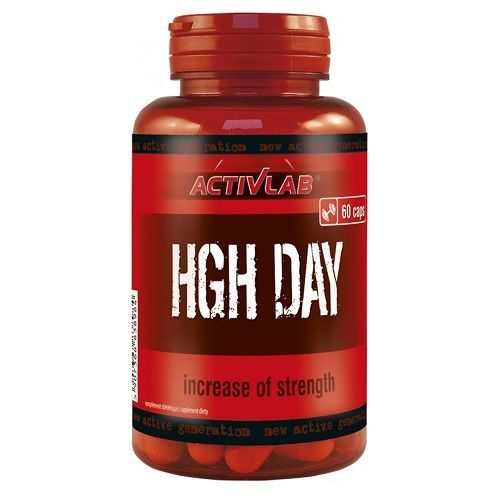
Scitorpin effects
Somatropin stimulates growth rates in children with endogenous growth hormone deficiency. Scitorpin therapy in adults with growth hormone deficiency results in a reduction in adipose tissue. Proven benefits for scitorpin include:Tissue growth:
- Skeletal growth: Scitorpin therapy stimulates skeletal growth in children with growth hormone deficiency by affecting the epiphyseal zones of long tubular bones.
- Cell growth: Treatment with scitorpin results in an increase in the number and size of skeletal muscle cells.
- Scitorpin therapy helps enlarge the internal organs (including the kidneys).

Protein Metabolism:Linear growth is often associated with the growth of proteins stimulated by scitorpin. Therapy causes nitrogen retention (a decrease in urinary nitrogen excretion during growth hormone treatment).Carbohydrate metabolism: Patients with inadequate growth hormone secretion may suffer from fasting hypoglycemia.
Somatropin therapy can reduce insulin sensitivity.Mineral metabolism: Scitorpin has no significant effect on calcium levels. Low bone mineral density is observed in adults with growth hormone deficiency. On the other hand, spinal bone mineral density was higher in patients who used Scitorpin.
What are scitorpine contraindications?
Scitorpine therapy should be avoided in patients with increased sensitivity to somatropin or other components of the drug. The drug should be avoided in tumor processes (it is necessary to stop treatment with somatropin if there are signs of tumor growth). In addition, scitorpin should not be used in complications following abdominal or cardiac surgery, multiple injuries, or acute respiratory failure.

There are currently no clinical data on the effects of scitorpine during pregnancy. Despite the fact that there is no potential threat to pregnant women, treatment with scitorpine should be discontinued during pregnancy. Caution should be exercised when using scitorpin in patients with malignancies and cerebral diseases.
Glucose tolerance should be monitored in patients receiving scitorpine. Regular monitoring of blood sugar levels is recommended if a patient has diabetes (you may need to correct the insulin dose). Uncompensated hypothyroidism must be treated before starting scitorpine therapy.

It is necessary to monitor the patient’s health status in case of visual impairment, headache, nausea or vomiting (especially during the first 8 weeks of treatment). No studies have been conducted in kidney transplant patients. Therefore, scitorpin therapy should be discontinued after such surgical procedures.

Scitorpin
Interaction with other products
Combination therapy with GCS may reduce the effect of somatropin. Somatropin may decrease sensitivity to insulin. Therefore, it is necessary to change antidiabetic therapy in patients with diabetes mellitus.
What is the recommended dosage for Scitorpin?
The dose of scitorpin is determined individually. 1 mg of somatropin is approximately equivalent to 3 IU. Growth retardation in children due to insufficient production of growth hormone: 0.025-0.035 mg / kg body weight 1 time per day. Growth retardation in Turner syndrome: doses up to 0.05 mg / kg body weight 1 time per day. Growth retardation in chronic renal failure: doses up to 0.05 mg / kg body weight once daily.
Treatment can be continued until the time of kidney transplantation. Growth hormone deficiency in adults: low starting doses of 0.15 to 0.3 mg. The doctor may increase the dose gradually. The final dose should not exceed 1 mg/day. It is necessary to use the drug at the lowest effective dose. Lower doses should be used in elderly patients or patients with obesity.
When used for bodybuilding purposes, the usual dosage is in the range of 1 to 6 IU per day. The medication is usually taken within 6-24 weeks. It is also recommended to take other medications such as thyroid hormones and insulin.
What are some of the side effects of scitorpin?
Scitorpine therapy may result in the following side effects: pain, hematoma, headache and arthralgia (in one or more joints). Less common side effects: inflammation of the nose (rhinitis), upper respiratory tract infections, bronchitis, swelling, nausea, bone pain, tunnel syndrome, chest pain, depression, gynecomastia, hypothyroidism and insomnia.
There are rare cases of diabetes, acromegaly. Somatropin can decrease insulin sensitivity and increase blood sugar levels. Subcutaneous administration may be accompanied by redness and itching. Fluid retention with mild swelling of the hands, feet, or face is often noted in adult patients with Hgh deficiency. Other side effects have also been reported:
- Cardiovascular system: high blood pressure, tachycardia.
- Digestive tract: vomiting, flatulence, nausea.
- Musculoskeletal system: bone pain, osteoarthritis, myalgia, muscle atrophy, muscle weakness.
- Genitourinary system: pain in the mammary glands, gynecomastia, bleeding during menstruation, urinary incontinence, frequent urination, hematuria.
- Metabolic disorders: increased or decreased blood sugar levels, increased lipid levels, lipodystrophy, hypothyroidism.
- Skin: rash, skin atrophy, skin hypertrophy, urticaria, exfoliative dermatitis, hirsutism.
- Nervous system: paresthesias, insomnia, drowsiness, nystagmus, dizziness.
- Other possible side effects: asthenia, abdominal pain, peritonitis, ecchymosis, anemia, pancreatitis.
Some patients treated with somatropin may have leukemia. In children with CKD, symptoms of increased intracranial pressure (in particular, optic nerve edema, visual impairment, headache, nausea and vomiting) are noted.
Scitorpin specific instructions
Some children may develop scoliosis. Therefore, it is necessary to monitor the signs of scoliosis in children during scitorpine therapy. On the other hand, treatment with scitorpine does not increase the frequency and severity of scoliosis. Scitorpin may decrease insulin sensitivity. Patients should evaluate for symptoms of impaired glucose tolerance.
Patients with diabetes should be carefully monitored during somatropin therapy. Treatment with scitorpine is contraindicated in diabetic patients with severe non-proliferative retinopathy. Children who use scitorpin may suffer from pancreatitis. Therefore, it is necessary to rule out pancreatitis in children when abdominal pain occurs.
Individual Evidence
- https://www.ncbi.nlm.nih.gov/pmc/articles/PMC297368/
- https://journals.physiology.org/doi/abs/10.1152/ajplegacy.1975.229.2.409
- https://www.semanticscholar.org/paper/Growth-hormone-pulsatility-profile-characteristics-Nindl-Hymer/7abe4979d86fe03cde64309f3540379582631ac9
- https://www.karger.com/Article/Abstract/184676
- https://bjsm.bmj.com/content/40/suppl_1/i35